9 June 2026
Places to visit when you are in Fukuoka
Places to visit when you are in Fukuoka
Fukuoka is easy to underestimate.
It does not push itself on you the way bigger Japanese cities do. The trains are manageable, the city center is not exhausting, and good places are close enough that a day does not need to become a project.
So this is not a giant travel checklist. It is a short list of places I would keep on the map if someone asked me what to see in Fukuoka: a lake, old Hakata, a shrine town, the coast, a seaside park, and a temple outside the city.
Ohori Park
Ohori Park is the place I would start.
It is calm without feeling empty. The pond takes up the center, paths loop around it, and the city softens a little around the water. After arriving in Fukuoka, that kind of first stop helps. You do not have to understand anything yet. You can just walk.
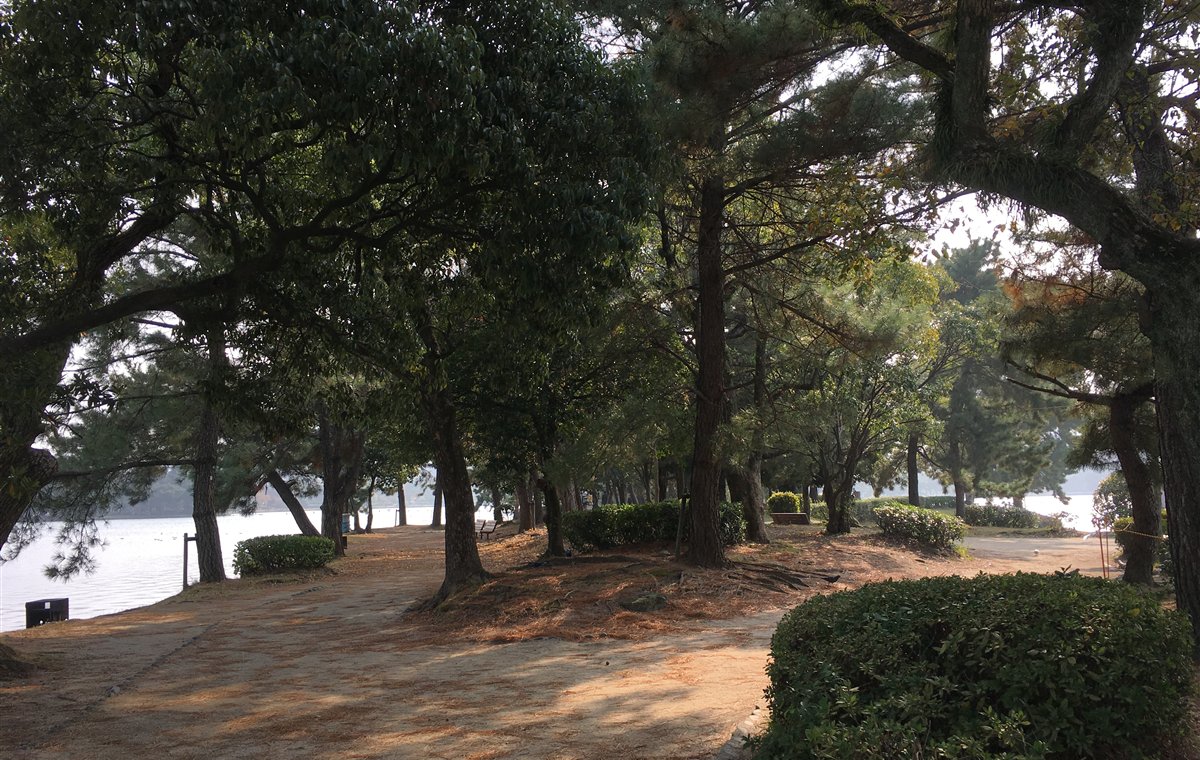
Fukuoka Castle Ruins are close by, so the area gives you two sides of the city at once: open park space and old stone remains. The official Fukuoka guide notes that the castle was started by Kuroda Nagamasa in 1601 and that the ruins are now a national historic site.
I like this part of Fukuoka because it does not demand a performance from the traveler. It is just a good place to be outside.
Kushida Shrine and Hakata Old Town
Kushida Shrine sits in Hakata, and Hakata is where Fukuoka feels older.
The official tourism guide describes Hakata as Japan’s largest trade port between the twelfth and sixteenth centuries. You still catch pieces of that older city around the shrines, temples, gates, and side streets.
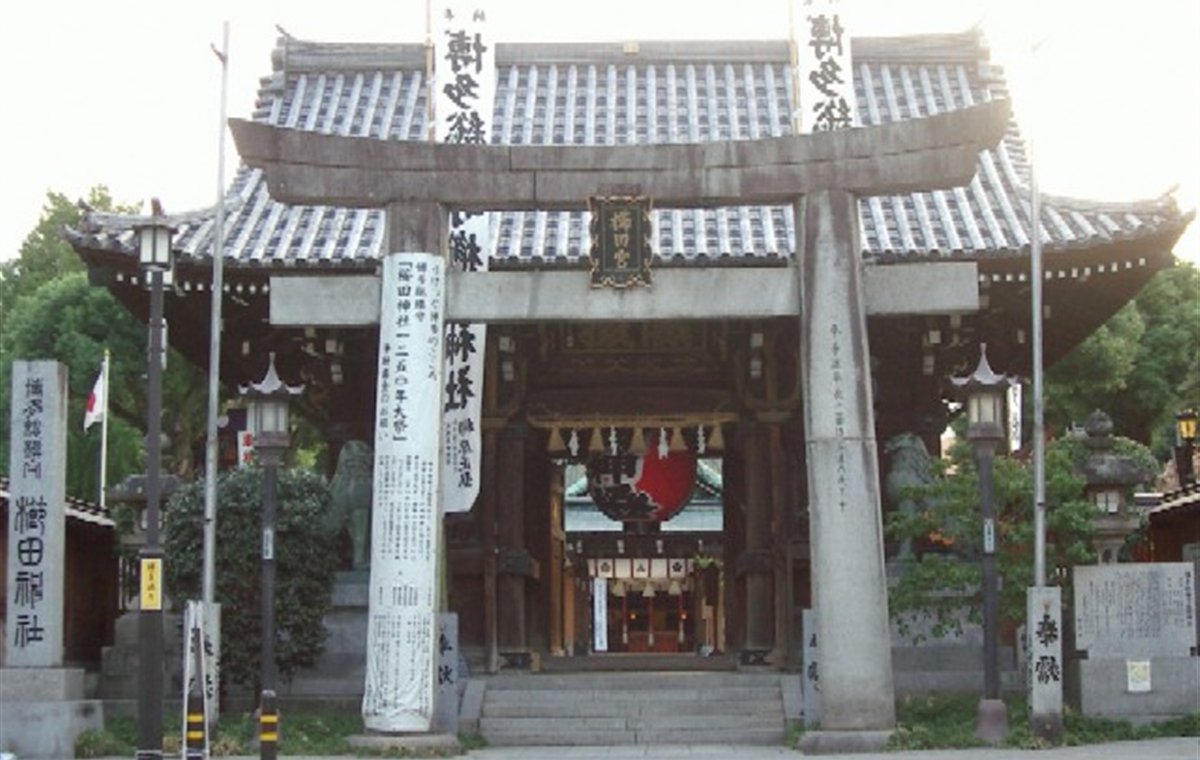
Kushida Shrine is closely connected with Hakata Gion Yamakasa, and a decorated festival float is usually displayed there. Even outside festival season, the shrine gives the neighborhood a center.
This is the part of Fukuoka where I would slow down and look at ordinary details: rooflines, old gates, small shop fronts, temple walls, and the way the old streets sit quietly beside newer buildings.
Dazaifu Tenmangu
Dazaifu is close enough to Fukuoka for an easy trip, but it feels separate from the city.
The shrine is associated with Sugawara Michizane, known as a deity of learning. That gives the place a particular kind of movement: students, families, visitors, and people arriving with quiet wishes of their own.
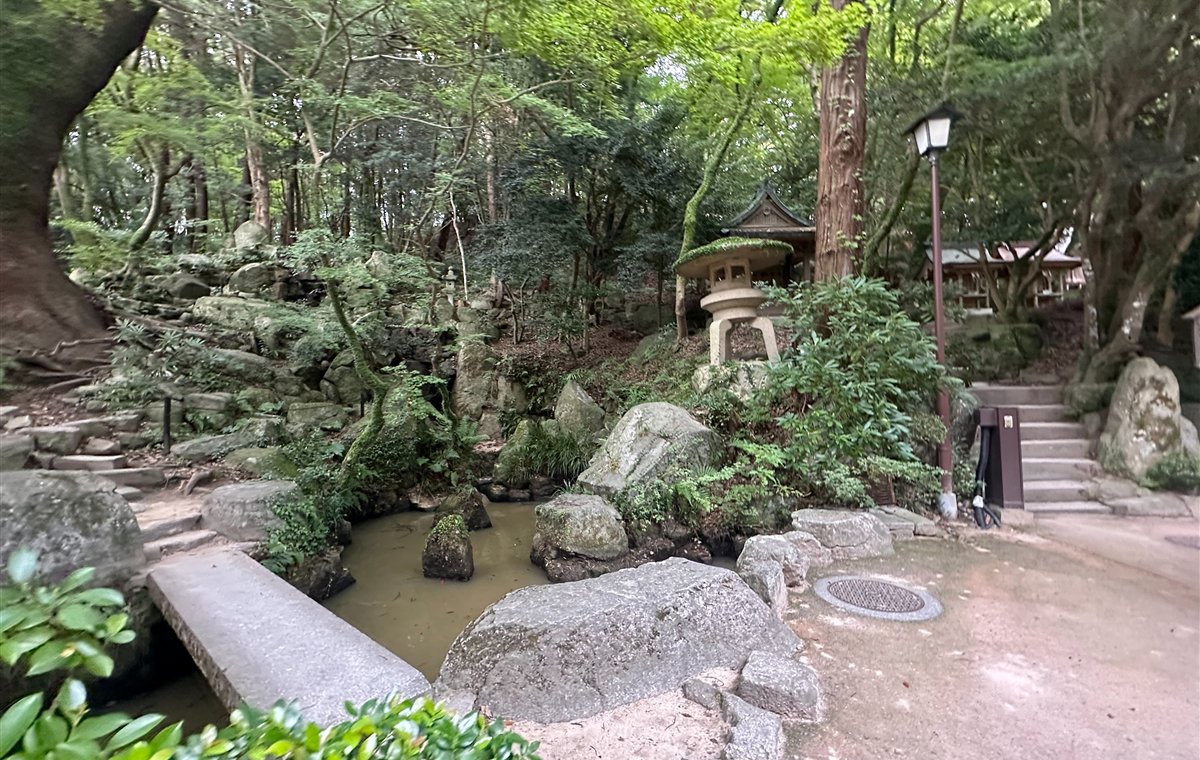
The official Fukuoka guide says Dazaifu Tenmangu is about five minutes on foot from Dazaifu Station. It also notes that the Main Hall renovation began in May 2023 and was expected to take around three years, so check the current state before going.
Even with renovation work, Dazaifu still makes sense as a place to visit because the approach is part of the experience. The station, the street, the shops, the shrine grounds: it all belongs together.
Sakurai Futamigaura, Itoshima
Itoshima is where Fukuoka opens toward the sea.
Sakurai Futamigaura is the view people remember: the white torii gate, the water, and the Couple Rock offshore. It is not in the middle of the city, and that is part of why it works. The atmosphere changes.
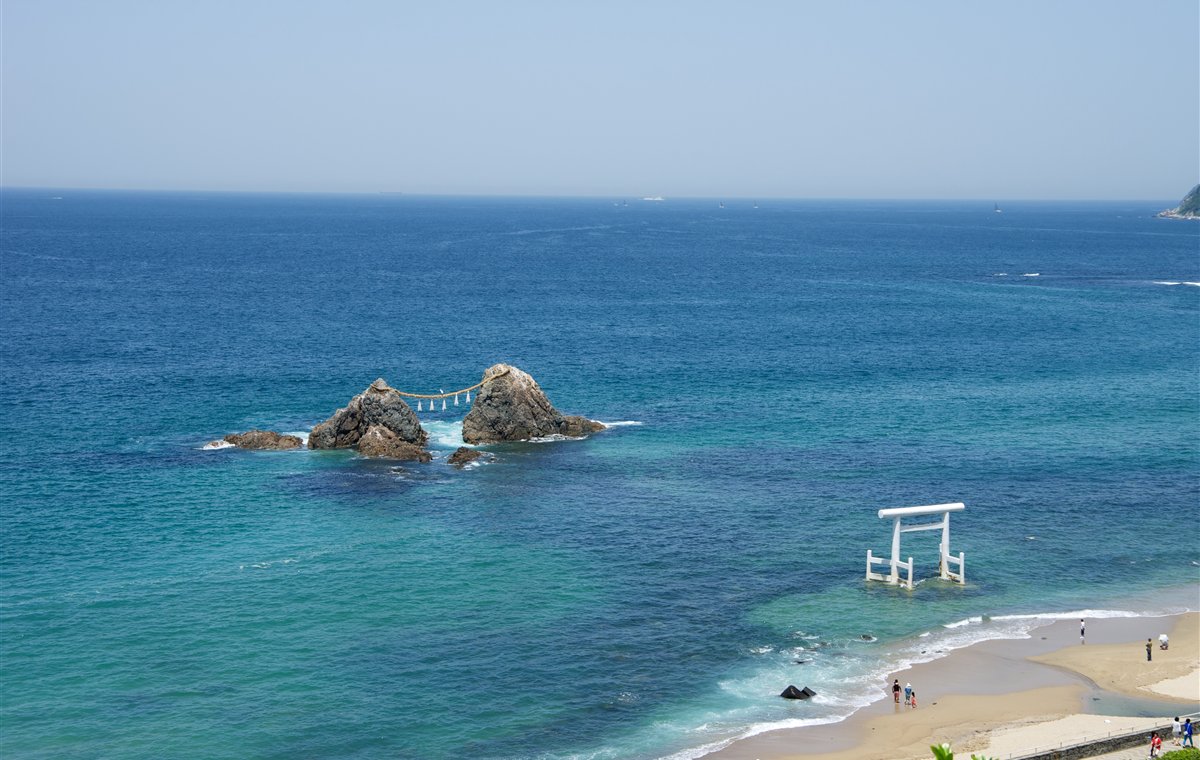
The official Fukuoka guide describes Itoshima as about a 40-minute drive west from Fukuoka City. That means it needs a little more planning than a central city stop, but it gives the trip a different texture.
Fukuoka is not only stations, malls, and food streets. The coast is close enough to belong to the same story.
Uminonakamichi Seaside Park
Uminonakamichi feels spacious in a way central Fukuoka usually does not.
It sits between Hakata Bay and the Genkai Sea, and the official guide lists it as a large seaside park with seasonal flowers and access by JR, ferry, or bus. I would think of it less as an attraction to conquer and more as a place to give the day some air.
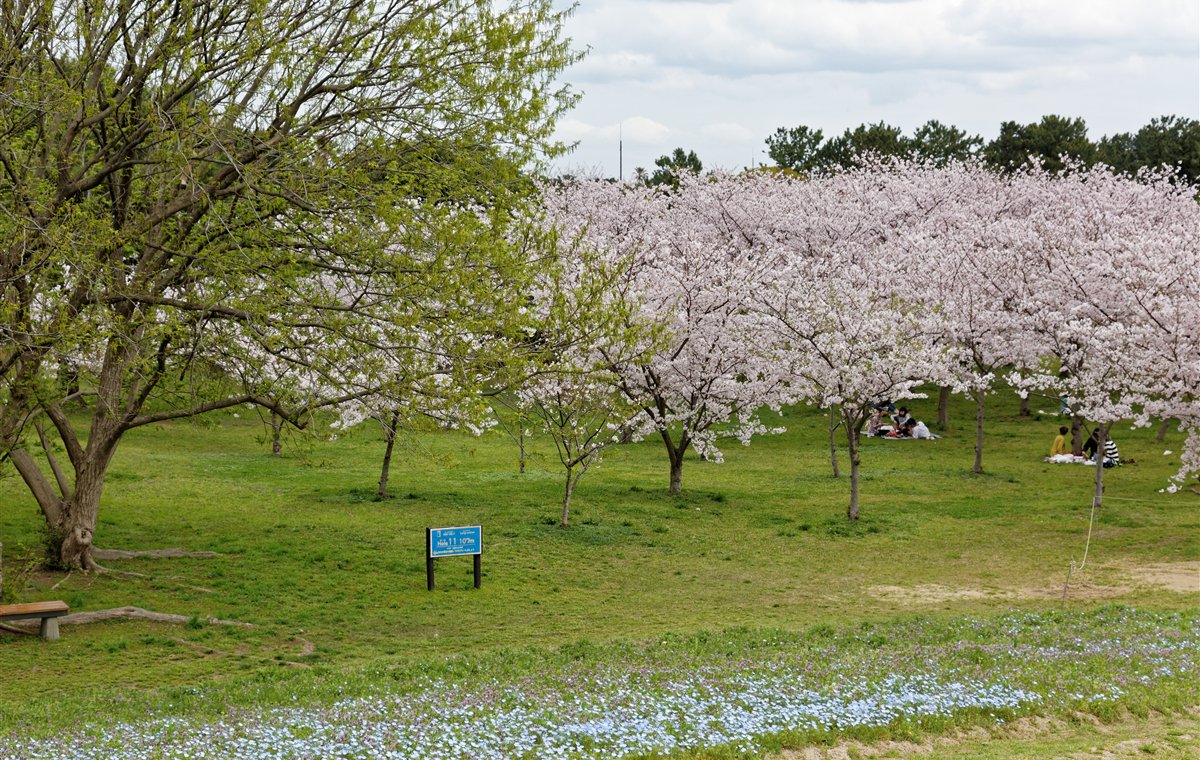
This is the place I would keep for a clear day, especially if the city has started to feel too tight. It is still Fukuoka, but the scale is different.
Check the official page before going because park hours change by season.
Nanzoin
Nanzoin is outside the city center, in Sasaguri, but it is not hard to reach.
The temple’s official access page lists it near Kido Nanzoin-mae Station. The Sasaguri Tourism Association says the reclining Buddha is 41 meters long, which is usually the detail that gets attention first.
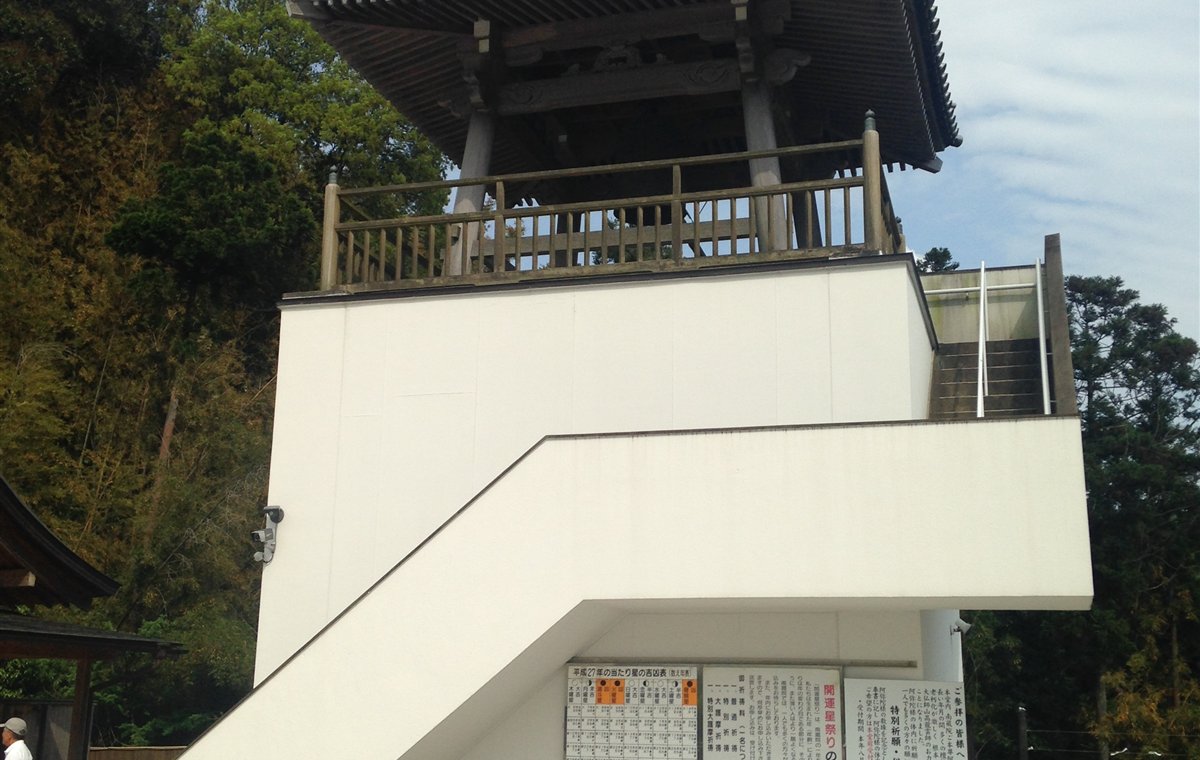
I would not treat Nanzoin as just a photo stop. It is a temple, and that changes how the place should be approached. Go quietly, check current guidance on site, and pay attention to any photo restrictions.
For me, Nanzoin belongs on this list because it adds a different mood to a Fukuoka trip: hills, temple paths, and a little distance from the city.
How I would group the trip
The good thing about Fukuoka is that the places do not all feel the same.
Ohori Park gives you water and calm. Hakata gives you the older city. Dazaifu gives you a shrine town. Itoshima gives you the sea. Uminonakamichi gives you space. Nanzoin gives you quiet outside the center.
That is enough for a relaxed first route. Pick a few places, leave space between them, and check official access pages before going.
Sources and image credits
- Fukuoka Castle Ruins - Fukuoka City Official Tourist Guide
- History and Heritage in Hakata Old Town - Fukuoka City Official Tourist Guide
- Dazaifu Tenmangu Shrine - Fukuoka City Official Tourist Guide
- Itoshima rental car route - Fukuoka City Official Tourist Guide
- Uminonakamichi Seaside Park - Fukuoka City Official Tourist Guide
- Nanzoin access - official site
- Nanzoin - Sasaguri Tourism Association
- Ohori Park - Thomas Woodtli, CC BY-SA 2.0, via Wikimedia Commons
- Kushida shrine - FOMALHAUT, public domain, via Wikimedia Commons
- Dazaifu Tenman-gu - Nesnad, CC BY 4.0, via Wikimedia Commons
- Futamigaura in Itoshima, Fukuoka - yuki5287, CC BY 2.0, via Wikimedia Commons
- Uminonakamichi Seaside Park - KimonBerlin, CC BY-SA 2.0, via Wikimedia Commons
- Bell tower near Reclining Buddha in Nanzoin Temple - Soramimi, CC BY-SA 4.0, via Wikimedia Commons
.jpg)


.jpg)
